

 Español

One of the common concerns when purchasing cookware sets is whether they are prone to food sticking during cooking. Sticking not only makes cooking frustrating but also complicates cleaning and can affect the taste and appearance of food. This article explores the factors that influence sticking and offers practical tips to reduce this issue for a better cooking experience.
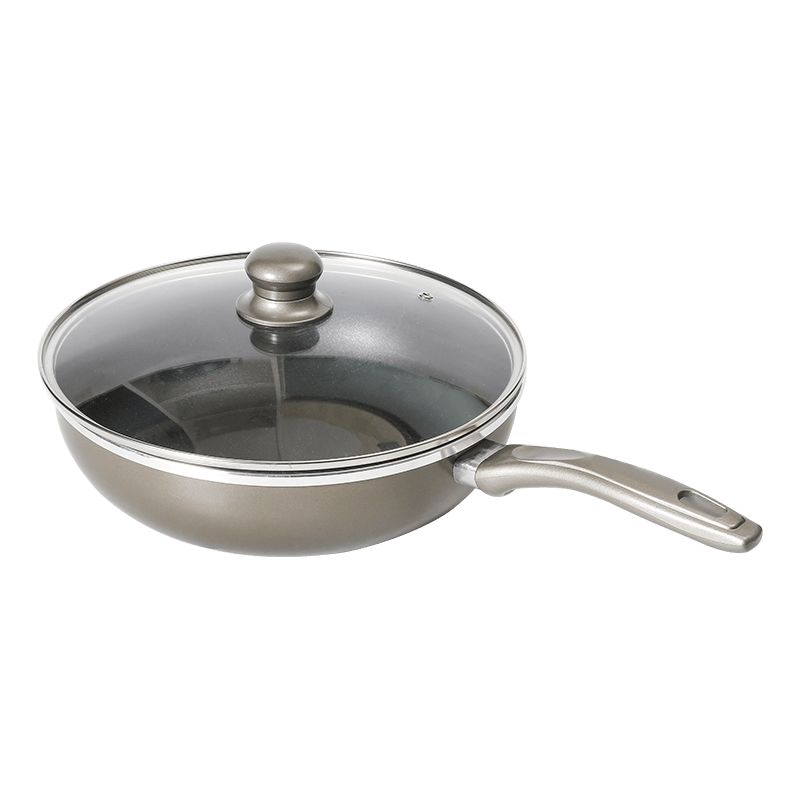
Material Influence on Food Sticking
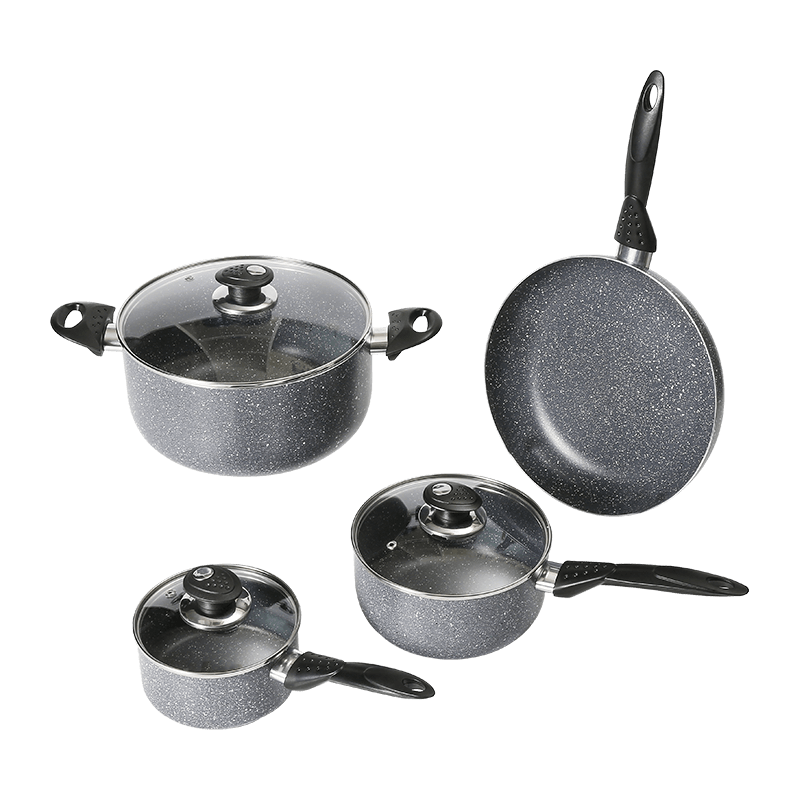
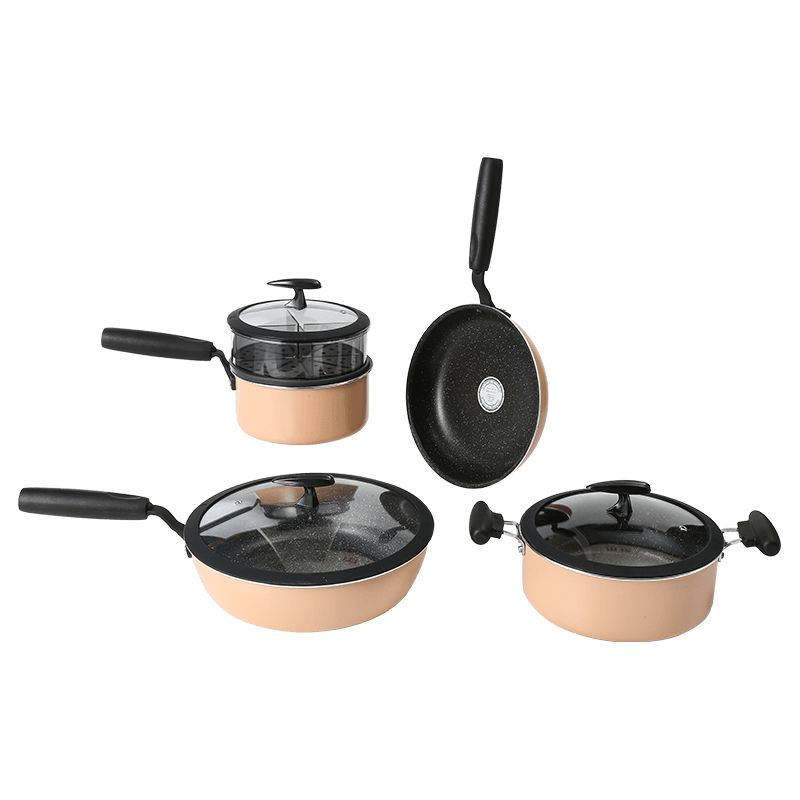
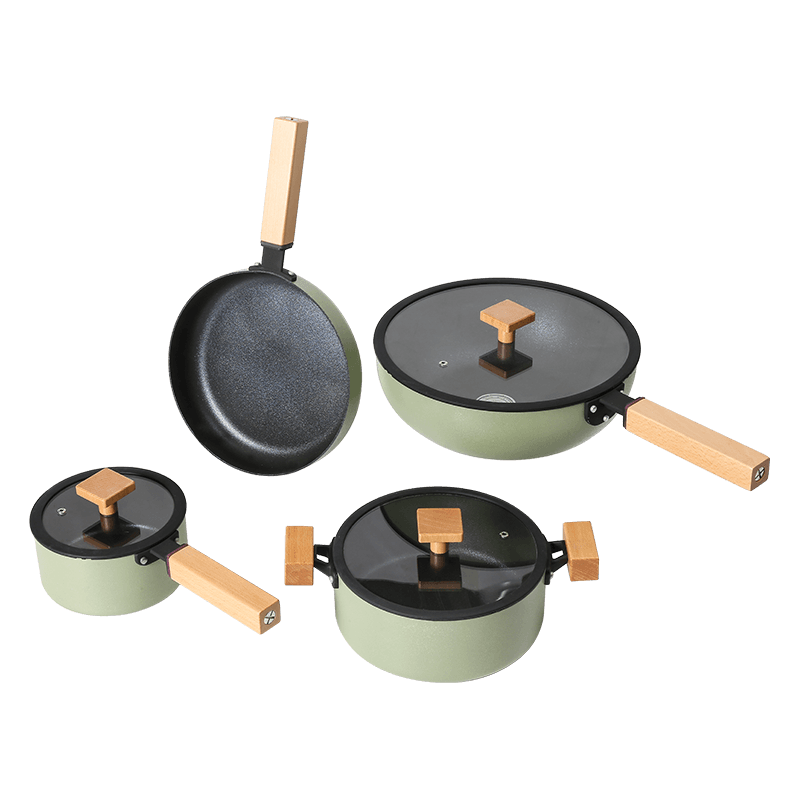
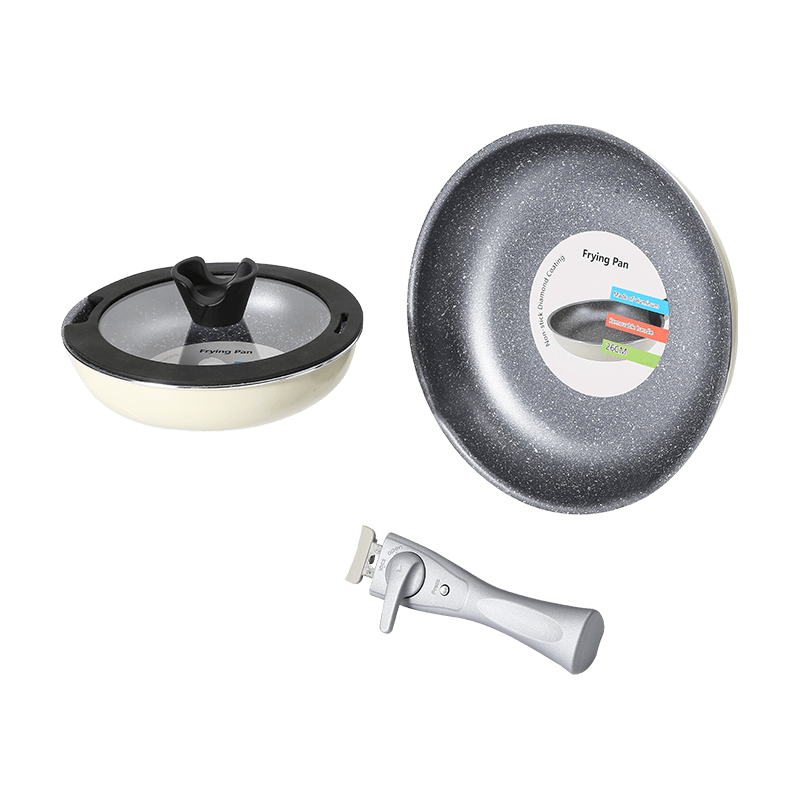
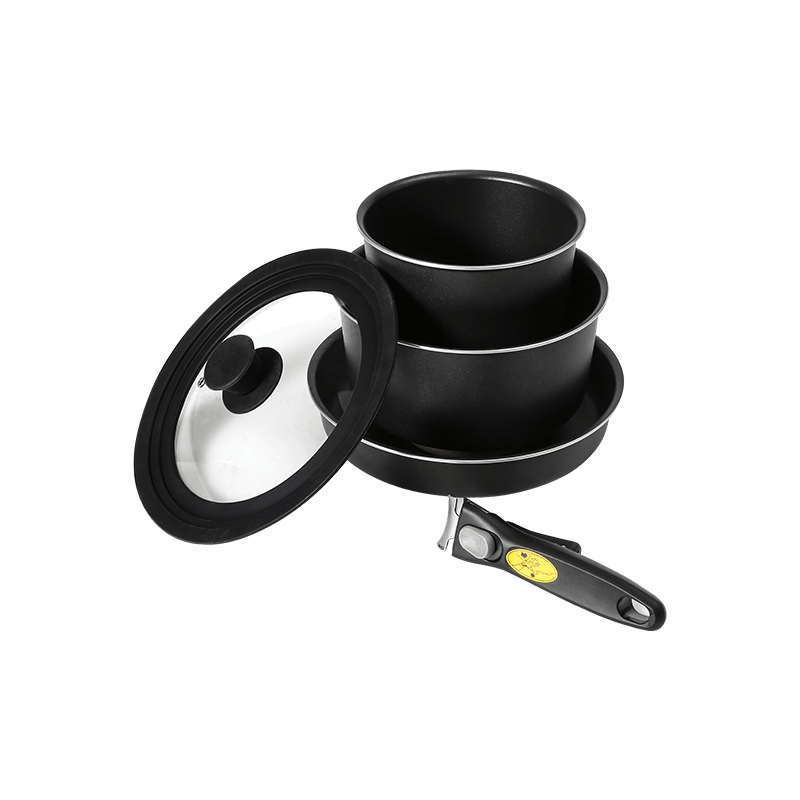
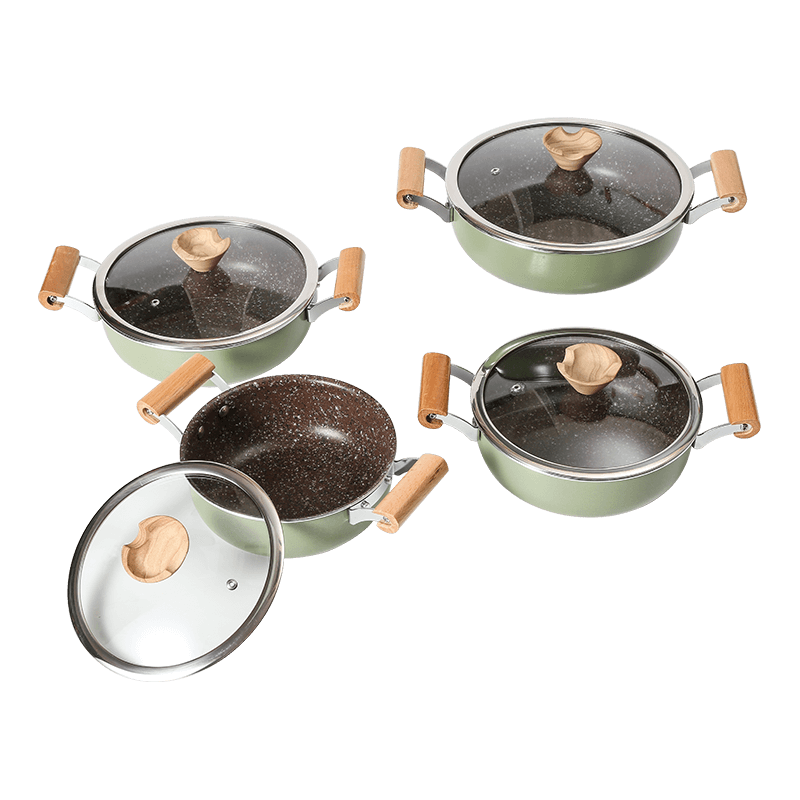
The likelihood of food sticking largely depends on the material of the cookware sets. Non-stick coated sets are specifically designed to reduce sticking by providing a smooth surface that prevents food from adhering. However, the quality of the non-stick coating and how well it is maintained play a significant role. Low-quality coatings can wear off quickly, causing increased sticking.
Stainless steel cookware sets, while highly durable, do not have a non-stick surface. These sets may be more prone to sticking if food is cooked improperly or at incorrect temperatures. Cast iron can develop a natural non-stick seasoning over time when properly cared for, reducing food adhesion, but it requires maintenance to keep this seasoning intact.
Cooking Techniques and Temperature Control
Proper cooking techniques greatly influence whether food sticks to cookware sets. Preheating the pan before adding oil or food creates a more even cooking surface and helps prevent sticking. Cooking at the right temperature is equally important; too high or too low heat can cause food to stick or burn.
Using adequate amounts of cooking oil or fat also acts as a barrier between the food and the pan surface. For stainless steel or cast iron sets, allowing food to release naturally before attempting to flip or stir can reduce sticking. Foods with high sugar or protein content may stick more easily and require more careful handling.
Maintenance and Care Impact on Sticking
The condition of cookware sets affects their stick resistance. Non-stick coatings degrade if metal utensils are used or abrasive cleaning tools damage the surface, increasing the risk of sticking. Following the manufacturer's instructions for cleaning and avoiding dishwasher use can prolong the non-stick properties.
Cast iron sets need regular seasoning to maintain their non-stick qualities. Rust or residue buildup can increase sticking, so cleaning and drying are essential. Stainless steel cookware sets benefit from proper cleaning and polishing to maintain a smooth surface.
Choosing the Right Cookware for Your Needs
Different cooking styles and preferences may require different types of cookware sets. If avoiding sticking is a top priority, high-quality non-stick sets may be a choice, provided they are handled with care. For those who prefer durability and versatility, stainless steel or well-seasoned cast iron sets can perform well with proper technique.
It is important to match cookware type with cooking habits and maintenance willingness. Investing in cookware sets that align with your needs can reduce the frustration of sticking and improve overall cooking satisfaction.
Conclusion
Cookware sets vary in their susceptibility to food sticking depending on material, cooking techniques, and care. While non-stick sets offer the easy solution, stainless steel and cast iron sets can also perform well when used and maintained properly. Understanding these factors helps users choose the right cookware and adopt practices to decrease sticking, resulting in better cooking outcomes and easier cleanup.