

 Español

Energy efficiency in the kitchen is increasingly important for both environmental and economic reasons. Cookware sets play a significant role in determining how much energy is used during cooking. Choosing the right cookware can reduce cooking times, lower fuel consumption, and improve overall energy savings. This article explores how it impacts energy efficiency in daily cooking and what features contribute to more sustainable kitchen practices.
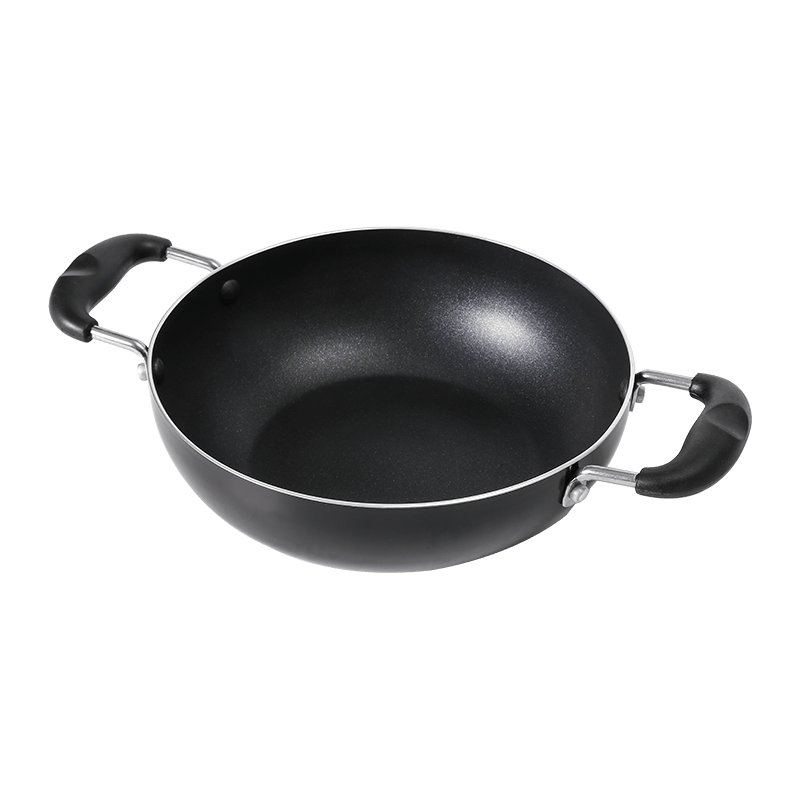
Material and Heat Conductivity
The material of cookware sets directly affects how efficiently heat is transferred to the food. Materials like copper and aluminum are good conductors of heat, allowing pots and pans to heat up quickly and evenly. This reduces cooking time and energy use since less heat is wasted. On the other hand, cookware made from stainless steel, while durable, may require thicker bases or additional layers to improve heat conduction and energy efficiency.
Cookware sets with layered or clad construction—such as stainless steel with an aluminum or copper core—combine durability with good heat transfer. These designs decrease hot spots and distribute heat uniformly, preventing overcooking and reducing energy waste.
Cookware Design and Base Thickness
The design of cookware sets also affects energy efficiency. A flat and thick base ensures improved contact with the heating element, whether it is a gas flame or an electric coil. This improves heat transfer and decreases heat loss. Thin or warped bases cause uneven heating and prolong cooking times, causing higher energy consumption.
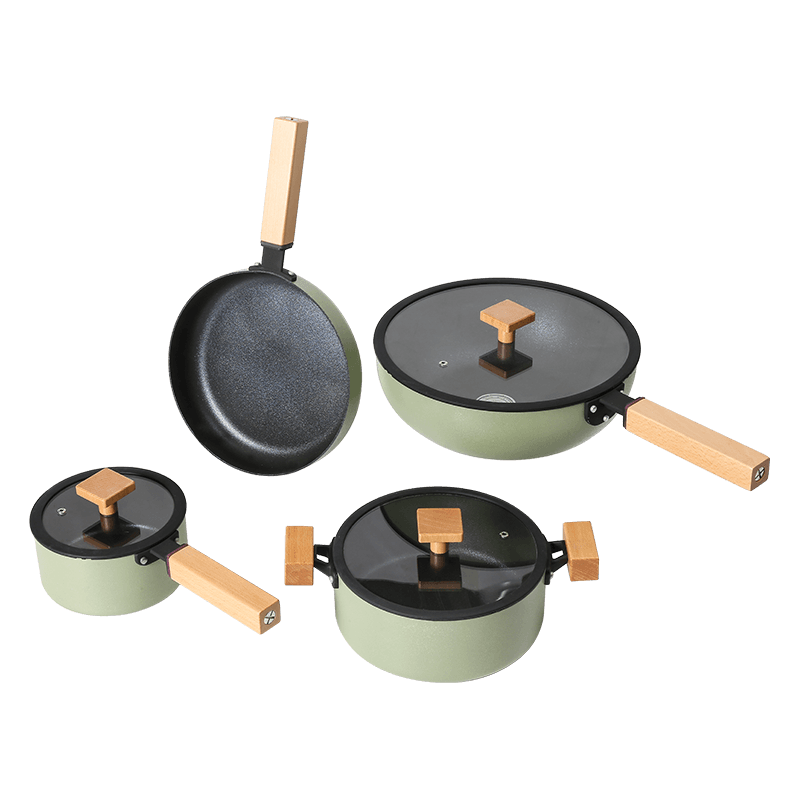
Some modern it feature induction-compatible bases designed to work efficiently on induction cooktops, which themselves are known for energy-saving performance. Using compatible cookware can further reduce energy waste by directly heating the cookware without heating the surrounding air.
Cooking Techniques and Cookware Efficiency
Cookware sets that heat evenly and retain heat well enable energy-saving cooking methods. For example, pots with good heat retention allow food to continue cooking even after the heat source is turned off, reducing the overall energy required.
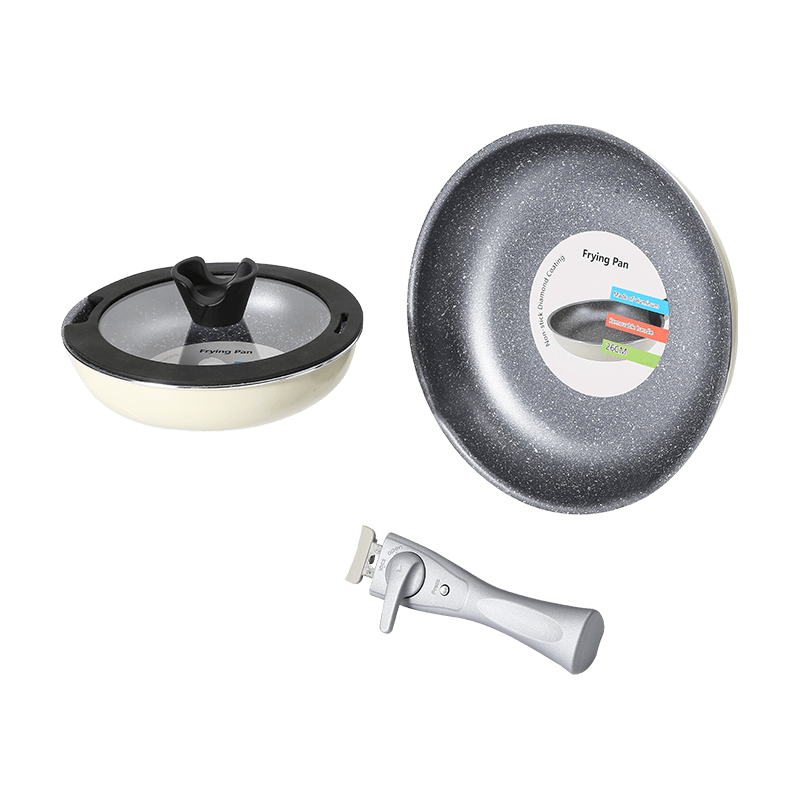
Non-stick it can contribute to energy savings by requiring lower cooking temperatures and less cooking oil, which can shorten cooking times. However, the energy efficiency benefit depends on the quality of the non-stick surface and how well it is maintained.
Proper Use and Maintenance
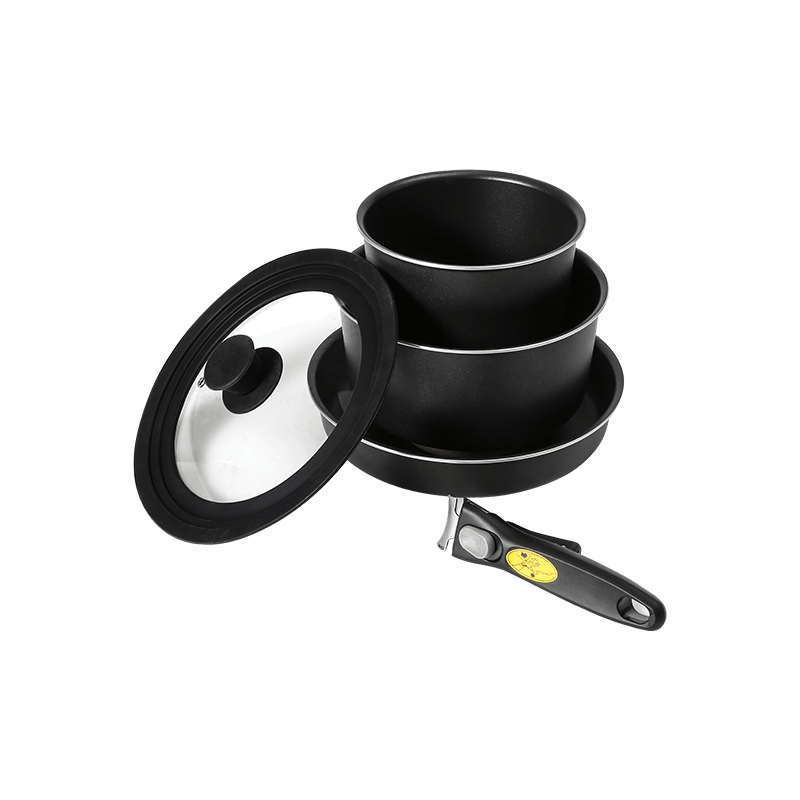
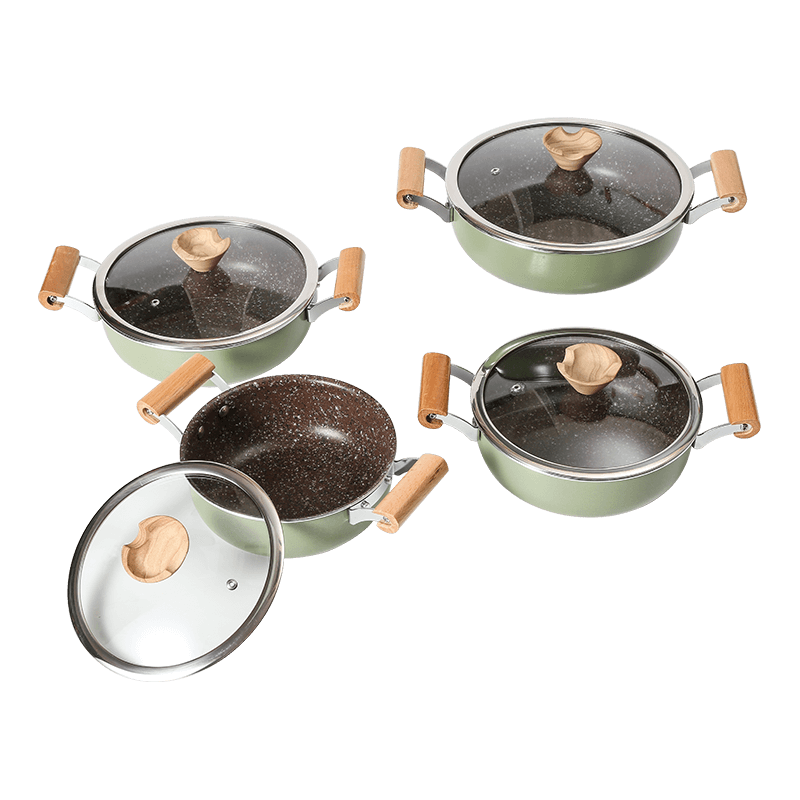
To improve the energy efficiency of cookware sets, proper use and maintenance are crucial. Using lids while cooking traps heat and moisture, speeding up the cooking process and reducing energy consumption. Matching the cookware size to the heating element size also prevents heat loss.
Keeping cookware clean and free of residue ensures suitable heat transfer. Burnt-on food or stains can act as insulating layers, making the cookware less efficient and increasing cooking times.
Environmental and Economic Benefits
Using energy-efficient cookware sets not only lowers utility bills but also contributes to reducing greenhouse gas emissions. Over time, the cumulative energy savings from efficient cookware can make a meaningful environmental impact.
Consumers increasingly seek cookware sets that support sustainable living by combining durability with energy-saving features. Investing in high-quality cookware that reduces energy consumption aligns with both ecological responsibility and economic savings.
Conclusion
Cookware sets play an important role in improving energy efficiency during everyday cooking. Materials with good heat conductivity, well-designed bases, and proper cooking techniques all contribute to reducing energy waste. By selecting it that optimizes heat transfer and retention, users can save time, reduce energy costs, and promote more sustainable kitchen practices. Understanding these factors helps consumers make informed choices that benefit both their household budgets and the environment.