

 Español

Material Composition and Heat Conductivity
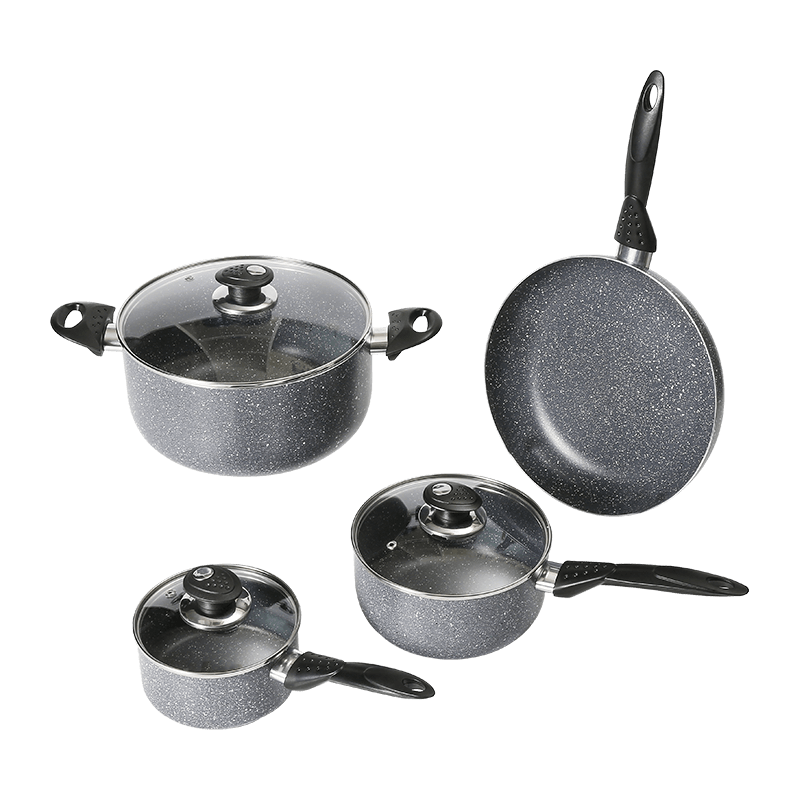
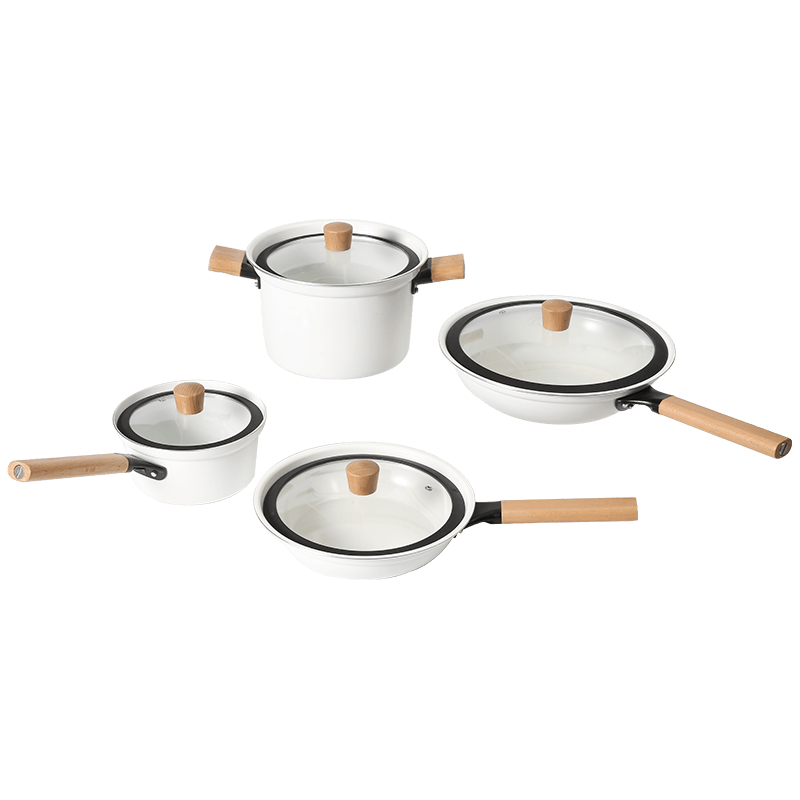
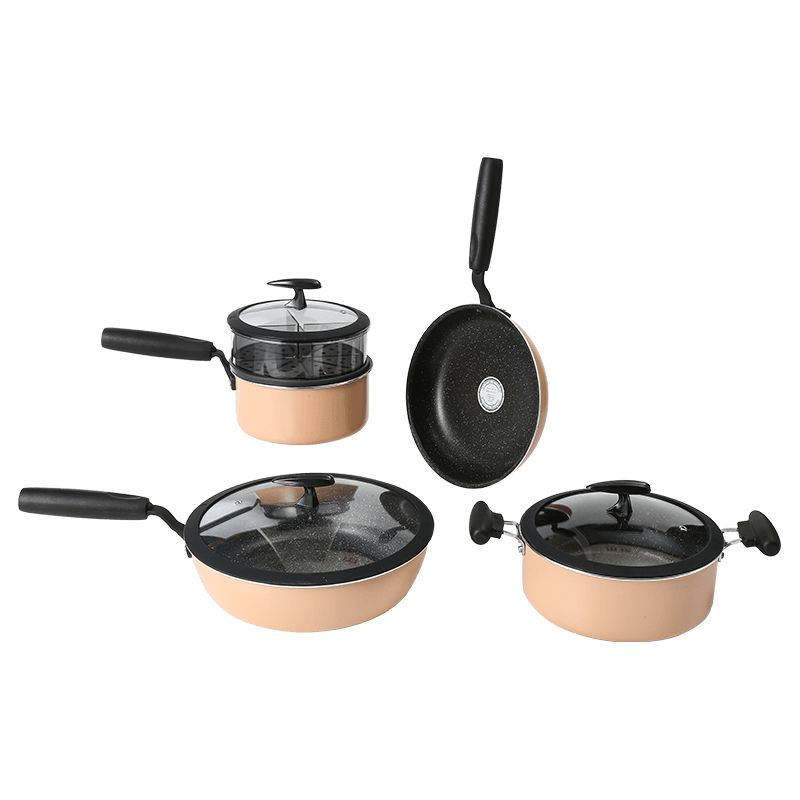
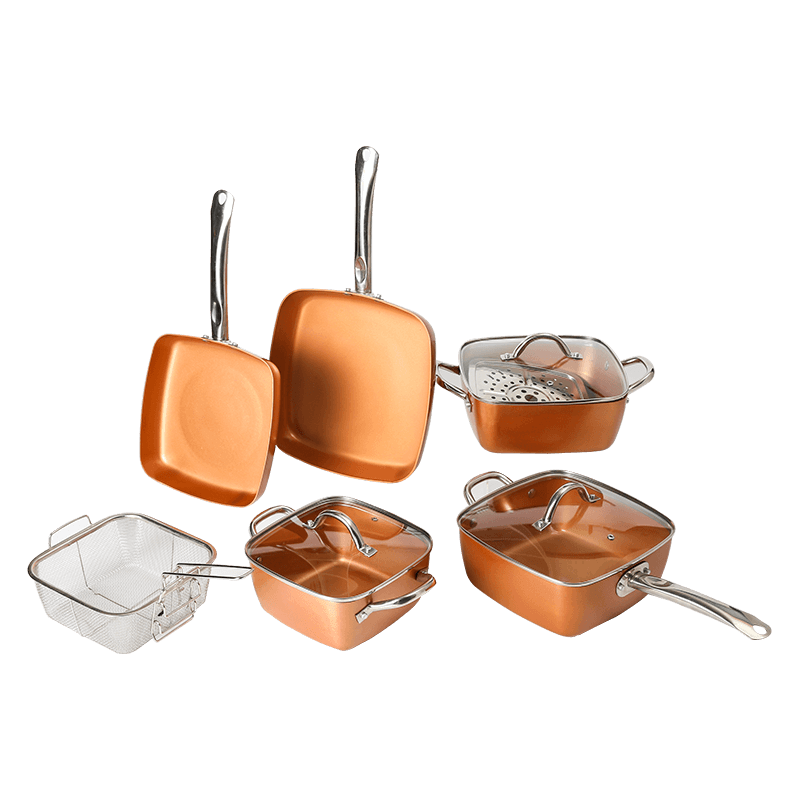
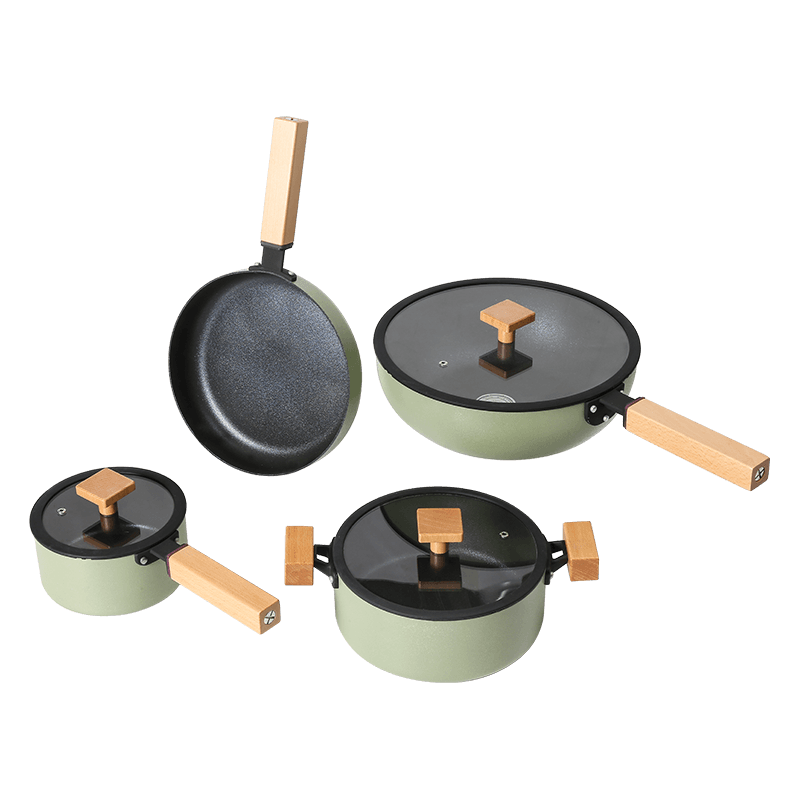
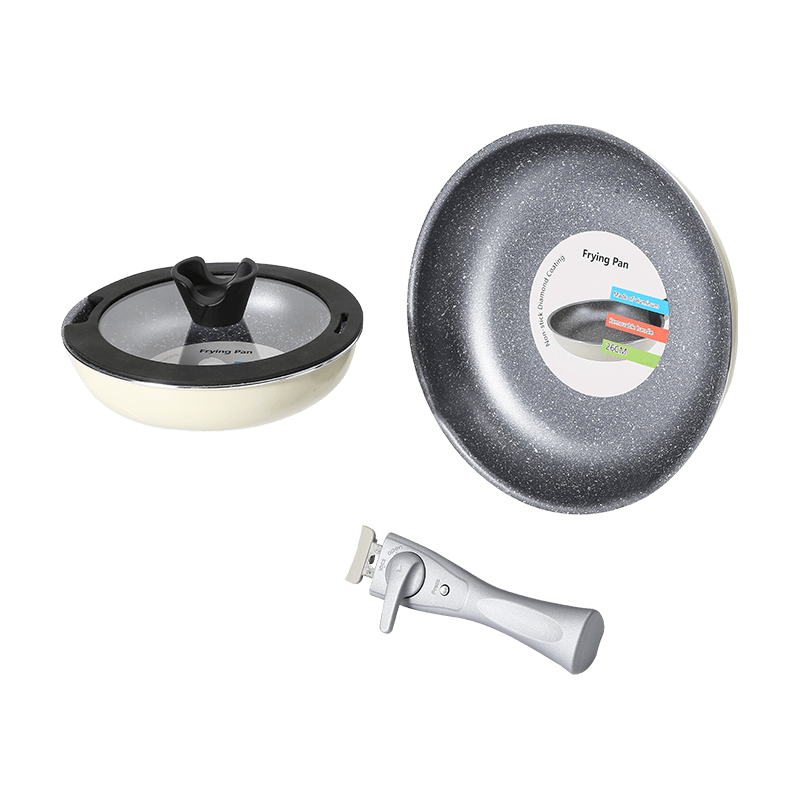
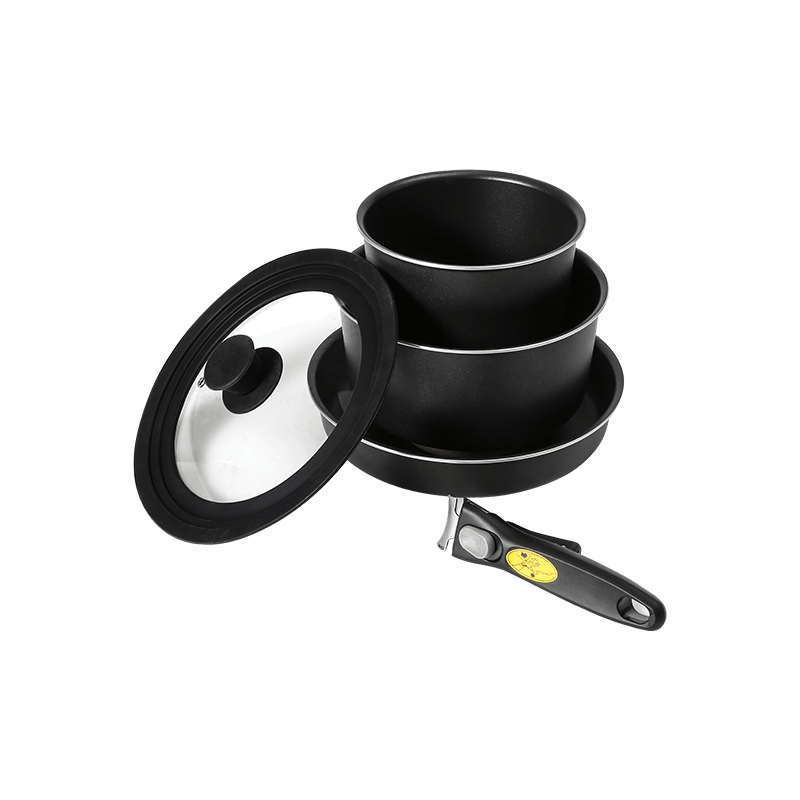
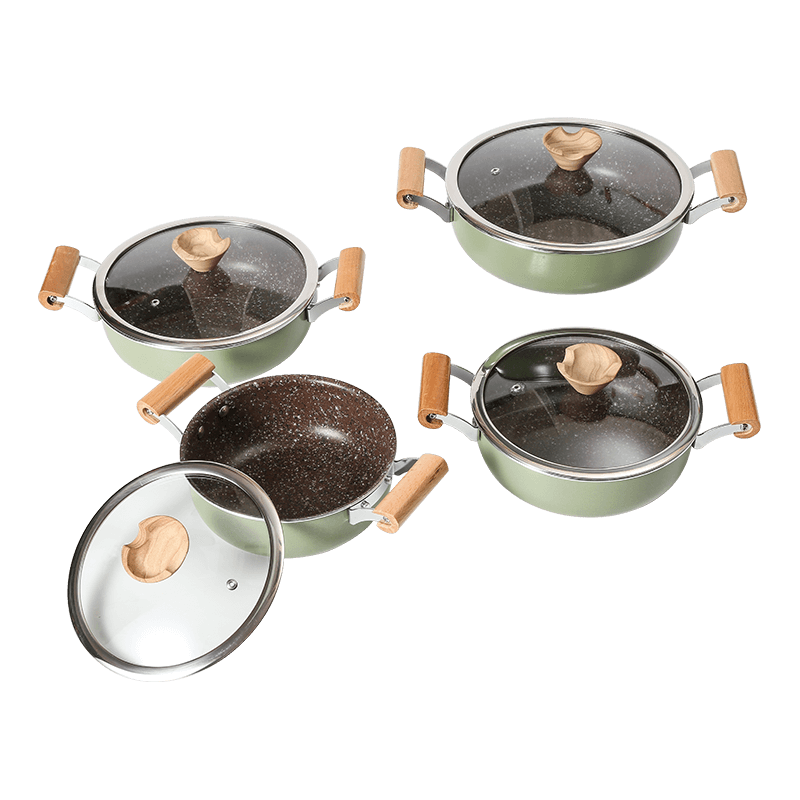
The heat distribution of any cookware heavily depends on the materials used in its construction. Pressed Cookware is often made from aluminum or stainless steel sheets that are stamped into shape under high pressure. Aluminum, in particular, is known for its good thermal conductivity, which allows heat to spread quickly and evenly across the cooking surface. When high-quality aluminum is used, this type of cookware generally offers reliable and consistent heating for various cooking tasks. Stainless steel, though less conductive, is sometimes combined with aluminum cores to improve heat dispersion while maintaining durability.
Manufacturing Process and Its Effect on Heat Spread
The pressing process used to shape this cookware can influence how uniformly heat is distributed. Unlike cast cookware, which has a thicker body and may retain heat longer but take longer to warm up, Pressed Cookware usually has a thinner profile. This can be advantageous for fast, even heating when the material is high-grade and the thickness is consistent across the base. However, if the base is too thin or uneven, hot spots can form, causing inconsistent cooking. Manufacturers that implement precision pressing and use multi-layered bases can significantly enhance heat distribution performance.
Flat Bottom Design and Stove Compatibility
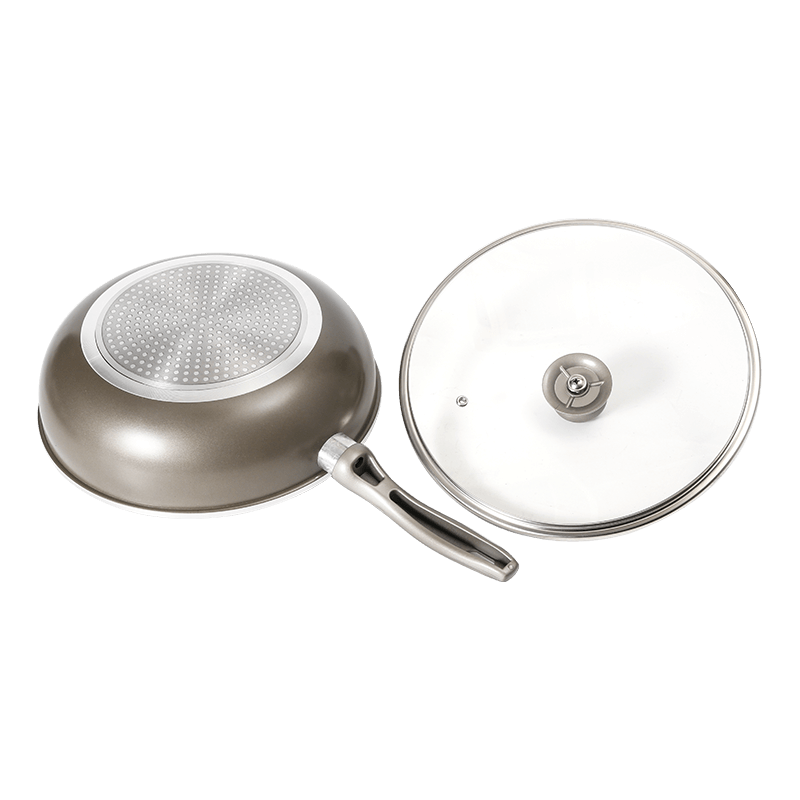
Another factor contributing to heat uniformity is the design of the cookware’s base. A flat and wide bottom ensures contact with the heat source, whether it's a gas burner or an induction cooktop. Pressed Cookware with a well-leveled base promotes even heat transfer and reduces areas that might remain cooler or overheat. This design aspect is particularly important when cooking delicate dishes that require consistent temperatures to avoid burning or uneven doneness.
Surface Coatings and Their Influence on Heat Flow
Many modern versions of this cookware come with non-stick coatings or enamel layers. While these coatings improve food release and simplify cleaning, they can also affect how heat flows across the cooking surface. A high-quality non-stick coating, when properly applied, should not hinder the evenness of heat but rather help prevent food from sticking and burning on hotter spots. In contrast, low-grade coatings may degrade quickly and cause uneven cooking over time. Choosing cookware with a durable and evenly applied surface layer supports better thermal behavior during use.
Real-World Cooking Performance
In practical kitchen scenarios, the heat distribution of Pressed Cookware is typically sufficient for daily cooking tasks like sautéing vegetables, searing meats, or simmering sauces. Users often report fast heat-up times and responsive temperature control, which are particularly useful for recipes requiring quick adjustments. However, for recipes needing prolonged, highly uniform heat—such as delicate sauces or custards—more premium versions with a thicker, layered base may be preferred to prevent scorching and ensure consistency.
Limitations and How to Overcome Them
Despite its strengths, not all cookware of this type performs equally in terms of heat distribution. Lower-cost options made with thin, single-layer metal may suffer from hot spots or warping under high heat. To overcome this, users can pair their cookware with medium or low heat settings and preheat gradually to promote even warming. Additionally, using flat-bottomed pans on appropriate stovetops and rotating the cookware occasionally during use can improve heat balance in less-than-ideal conditions.
Conclusion: Pressed Cookware Can Offer Even Heating with Quality Design
In conclusion, the heat distribution capability of Pressed Cookware depends on a combination of material selection, base thickness, manufacturing precision, and surface treatment. When made with high-quality materials and engineered with attention to design details, it can provide reliable and even heating suitable for cooking needs. For home cooks and professionals alike, choosing well-constructed cookware ensures suitable performance and helps deliver consistent culinary results.