

 Español

Cookware sets are essential kitchen tools that impact cooking efficiency and meal quality. One of the important factors consumers consider when purchasing cookware sets is their durability. Understanding how durable these sets are can help buyers make informed decisions and ensure their investment lasts for years. This article explores the factors influencing their durability and what users should expect from different materials and designs.
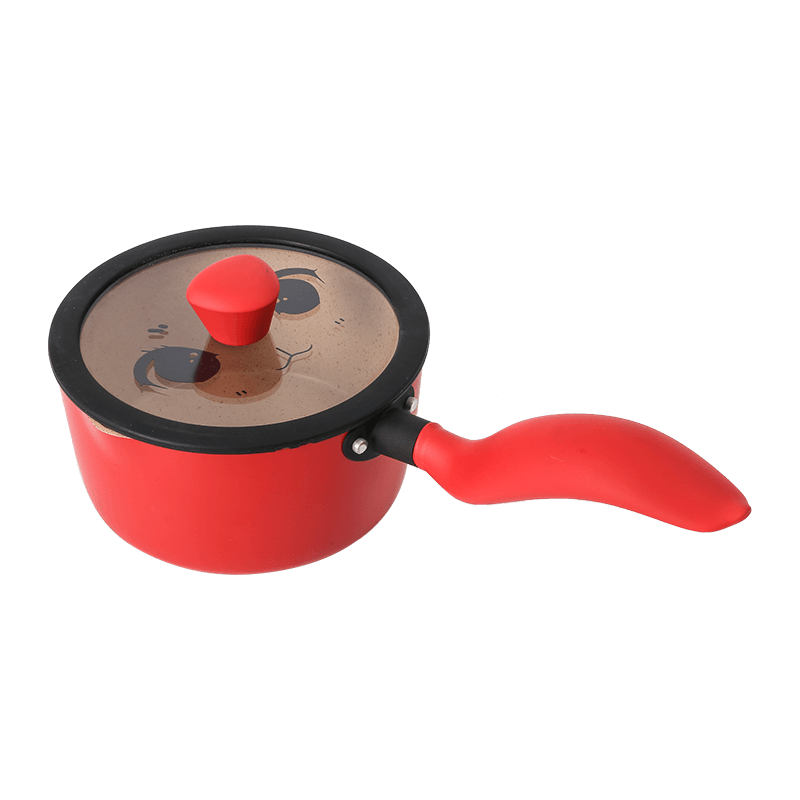
Material Quality and Its Impact on Durability
The durability of cookware sets largely depends on the materials used in their construction. Common materials include stainless steel, aluminum, cast iron, and non-stick coated metals. Stainless steel they are renowned for its strength, rust resistance, and corrosion, making it highly durable for everyday cooking. Cast iron sets are extremely sturdy and can last for generations if properly maintained, but they require special care to prevent rust.
Aluminum cookware sets offer good heat conduction but tend to be less durable unless they have an anodized or coated surface that protects against scratches and dents. Non-stick it can be convenient but often have a shorter lifespan because the coating can wear off over time, especially if not handled properly.
Design and Construction Factors
Beyond materials, the construction quality plays a critical role in cookware set durability. Sets with thicker bases tend to resist warping, a common issue when cookware is exposed to high heat repeatedly. Riveted handles and securely attached lids contribute to the overall sturdiness. Seamless or welded designs are less prone to weakening compared to sets with multiple joints or screws.
Usage Habits and Maintenance
Durability is also influenced by how the cookware sets are used and maintained. Proper cleaning, avoiding abrasive scrubbers, and using wooden or silicone utensils can extend the life of non-stick coatings. For cast iron sets, regular seasoning is necessary to maintain their non-stick surface and prevent rust. Stainless steel sets generally require less special care but should still be dried promptly to avoid water spots and potential corrosion.
Many manufacturers provide guidelines for care that should be followed to preserve the cookware’s integrity. Ignoring these recommendations can significantly reduce the lifespan of even the high-quality cookware sets.
Signs of Wear and When to Replace
Over time, cookware sets may show signs of wear such as discoloration, warping, loose handles, or flaking coatings. While some changes, like minor scratches or patina on cast iron, are normal and don’t affect performance, more severe damage can impact cooking quality and safety. Knowing when to replace certain pieces can prevent food contamination and cooking accidents.
Warranty and Brand Reputation
Another indicator of cookware sets’ durability is the warranty offered by manufacturers. Longer warranties often reflect confidence in the product’s longevity. Choosing reputable brands with positive reviews can also be a safeguard against premature failure.
Conclusion
Cookware sets’ durability varies widely depending on materials, construction, usage, and maintenance. Stainless steel and cast iron sets tend to offer good longevity, while non-stick and aluminum sets require more careful handling to maintain their performance. By understanding these factors and following proper care practices, users can ensure their it remains durable and reliable for many years. Selecting high-quality it with good warranties and following manufacturer guidelines are key steps in achieving long-term satisfaction and value.